
PRK laser vision correction.
The original laser vision correction, and still the right call for many eyes. PRK reshapes the cornea with no flap at all, which makes it a strong option for thinner corneas and active lifestyles.
- No corneal flap, so no flap complications
- A strong fit for thinner corneas
- Preferred by many athletes and first responders
- 0% financing for 24 months through CareCredit
PRK, or Photorefractive Keratectomy, reshapes the surface of the cornea with a laser to correct your vision, without creating a flap.
The surgeon gently removes the thin outer layer of the cornea, called the epithelium, then uses the same excimer laser used in LASIK, to reshape the cornea to your prescription. The outer layer grows back on its own over the following days, which is why the surface heals rather than a flap.
The end result matches what LASIK achieves. The path there is a little slower, because the surface has to regrow, but for the right eyes PRK is every bit as effective and avoids a flap entirely.
PRK is often the better choice when a flap is not ideal.
You may be a good candidate if you:
- Are 18 or older with a stable prescription
- Have thinner corneas that rule out LASIK
- Play contact sports, or serve in the military or as a first responder
- Have an active lifestyle where a flap could be a risk
- Have healthy eyes with no active disease
- Want a permanent, flap-free correction
PRK treats nearsightedness, farsightedness, and astigmatism. The trade-off compared with LASIK is a longer healing period. Our doctors help you weigh that against the benefits at your consultation.
PRK and LASIK.
LASIK reshapes the cornea under a flap, which is why vision clears within a day. PRK reshapes the surface directly, so the outer layer needs several days to regrow before vision sharpens. Both use the same excimer laser and reach the same outcome.
Where PRK wins is safety margin for certain eyes: no flap means no flap-related complications, and it preserves more corneal tissue, which matters for thinner corneas and for people in high-contact roles. Where LASIK wins is speed of recovery. The right choice comes down to your corneas and your lifestyle.
A slower heal, the same result.
Consultation & mapping
A full exam maps your corneas and confirms PRK is the right fit, often the case when corneal thickness or lifestyle rules out a flap.
The procedure
Numbing drops, then the surgeon removes the outer layer and reshapes the cornea with the laser. It takes only minutes per eye. A soft bandage contact lens protects the surface as it heals.
Recovery
The surface regrows over several days, during which vision is blurry and the eye can feel scratchy. Vision then sharpens steadily over the following weeks.
Precision starts with measurement
Every PRK treatment begins with a detailed map of your cornea. That measurement is what makes PRK a safe, precise option when corneal thickness or an active job rules out a flap.
See if you are a candidate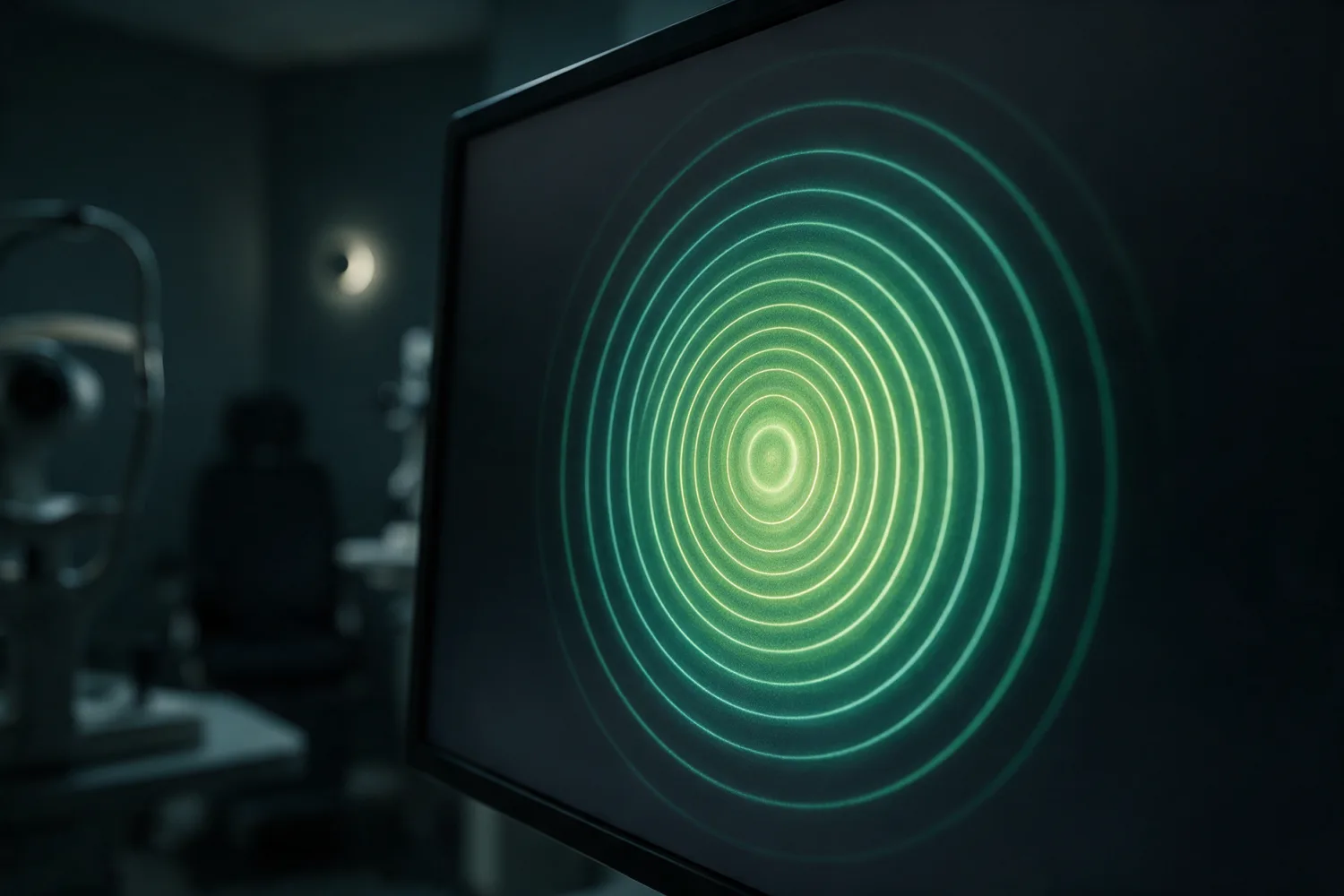
PRK is an elective procedure, so it is generally not covered by insurance. We confirm your price at the consultation.
Qualified patients can finance PRK at 0% for 24 months through CareCredit, and HSA or FSA funds can be applied. Many patients find laser correction costs less over time than years of glasses, contacts, and replacements.
Other ways to correct your vision.
One Central Florida surgical center.
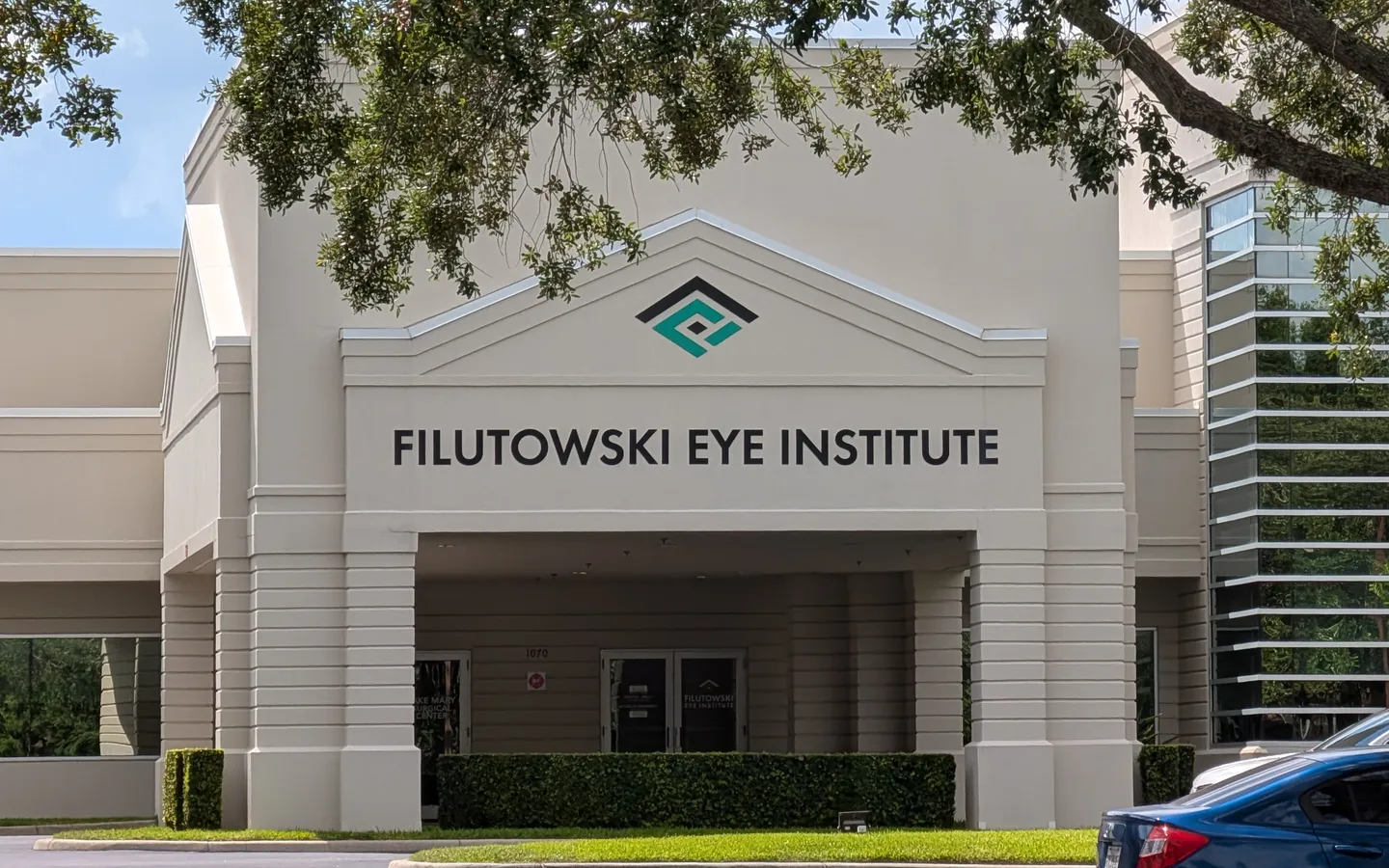
Consultations and exams for PRK are available at all three of our offices, with the procedure performed at Lake Mary.
Questions, answered.
How is PRK different from LASIK?
PRK reshapes the surface of the cornea with no flap. The outer layer is removed and regrows over several days. LASIK reshapes the cornea under a flap, so it heals faster. Both use the same laser and reach the same result.
Why would I choose PRK over LASIK?
PRK is often the better fit for thinner corneas and for people in contact sports, the military, or first-response roles, where a flap could be a risk. It also preserves more corneal tissue.
How long is PRK recovery?
The surface regrows over several days, during which vision is blurry. Clear vision comes over the following weeks. Plan for a few days of downtime.
Does PRK hurt?
The procedure is painless thanks to numbing drops. During the first few days of healing, the eye can feel scratchy or sensitive, which a bandage contact lens and drops help manage.
What does PRK treat?
PRK corrects nearsightedness, farsightedness, and astigmatism, the same range as LASIK.
Is PRK permanent?
Yes. PRK reshapes the cornea itself, so the correction is permanent, though age-related changes can still develop later as they would for anyone.
Find out if PRK is right for your eyes.
Start with the 60-second candidacy check, or call to book a consultation at the location nearest you.